




The Ultimate Guide to Choosing the Best **Chicken Harness** for Your Flock
Imagine your flock enjoying the thrill of supervised free-ranging, exploring new greens beyond their run, all while remaining safe and secure under your watchful eye. For the modern, responsible poultry owner, this isn't just a dream – it's an achievable reality with the right tools. Welcome to this ultimate resource for elevating your poultry care: a comprehensive guide to the chicken harness.
Far from being a mere accessory, a high-quality chicken harness is swiftly becoming an essential item in the responsible poultry keeper’s toolkit. It’s a game-changer for enhancing welfare, allowing you to provide enriching experiences that were once limited. Whether you’re looking to introduce your feathered friends to new environments, ensure their protection from aerial predators during supervised outdoor excursions, or even foster a deeper bond through unique interactive opportunities, a poultry harness guide like this one opens up a world of possibilities.
But how do you navigate the myriad options to find the best chicken harness? This isn't a one-size-fits-all endeavor. Our extensive guide is meticulously crafted to demystify the selection process, empowering you to choose a high-quality, comfortable, and durable chicken leash system perfectly tailored to your hen’s unique size, temperament, and activity level. We’ll delve into material quality, design considerations, proper fitting techniques, and gentle training tips to ensure a positive experience for both you and your birds. Prepare to transform your approach to flock management, ensuring your chickens lead safer, happier, and more stimulating lives under your expert care. Let's embark on this journey to find the ideal harness for your beloved birds.
Key Benefits and Features
Choosing the best chicken harness offers numerous benefits for you and your flock. This section of our poultry harness guide highlights key advantages and essential features when selecting the ideal chicken harness or chicken leash.
* Enhanced Safety and Security: A primary benefit is increased safety. When exploring new environments or supervising chickens near predators or traffic, a harness ensures they stay close. It provides peace of mind, allowing birds outdoors safely. Especially useful for new birds or vet visits, preventing escapes, a well-chosen harness gives you control.
* Promoting Health and Exercise: A quality chicken harness facilitates supervised outdoor time, crucial for health. Access to fresh air, sunlight, and natural foraging improves well-being. Regular exercise prevents boredom, reduces stress, and encourages natural behaviors like dust bathing. This controlled exposure contributes to stronger bones, healthier feathers, and a robust immune system.
* Strengthening Bonds and Training: Using a chicken leash creates unique bonding and training opportunities. Walking your chicken on a harness desensitizes them to human contact, making them tamer. It’s a fantastic way to spend quality time, observing personalities and reinforcing positive interactions, even teaching simple commands.
* Identification and Monitoring: For larger flocks or new birds, a chicken harness serves as an excellent temporary identification tool. It allows you to easily monitor a specific bird for health checks, behavioral observations, or during rehabilitation, providing valuable insights.
* Rehabilitation and Support: For injured or recovering chickens, a specifically designed chicken harness can be invaluable. It provides gentle support, allowing birds with leg or wing injuries to move supervised without undue strain. This controlled mobility aids recovery, preventing muscle atrophy and improving morale.
* Key Features to Look For: When selecting the best chicken harness, consider adjustable straps for a comfortable fit, breathable and durable materials, plus easy-to-use buckles. It should be escape-proof yet comfortable. The accompanying chicken leash also needs to be durable for comfortable handling.
Step-by-Step Guide
Step 1: Define Your Purpose for a Chicken Harness
First, clarify why you need a chicken harness. Is it for supervised adventures, training, or photos? Your purpose dictates the type. A heavy-duty, escape-proof design suits walks; a lighter one for brief photo shoots. This defines your search in this poultry harness guide.
Step 2: Assess Your Flock's Specific Needs
Consider the size, age, and temperament of your chicken. A small bantam needs a different fit than a large Cochin. Younger birds may need growth room; skittish birds might prefer softer designs. Multiple chickens may need varied sizes. Crucial for selecting the best chicken harness.
Step 3: Explore Different Chicken Harness Designs
Chicken harnesses come in various styles. Primarily:
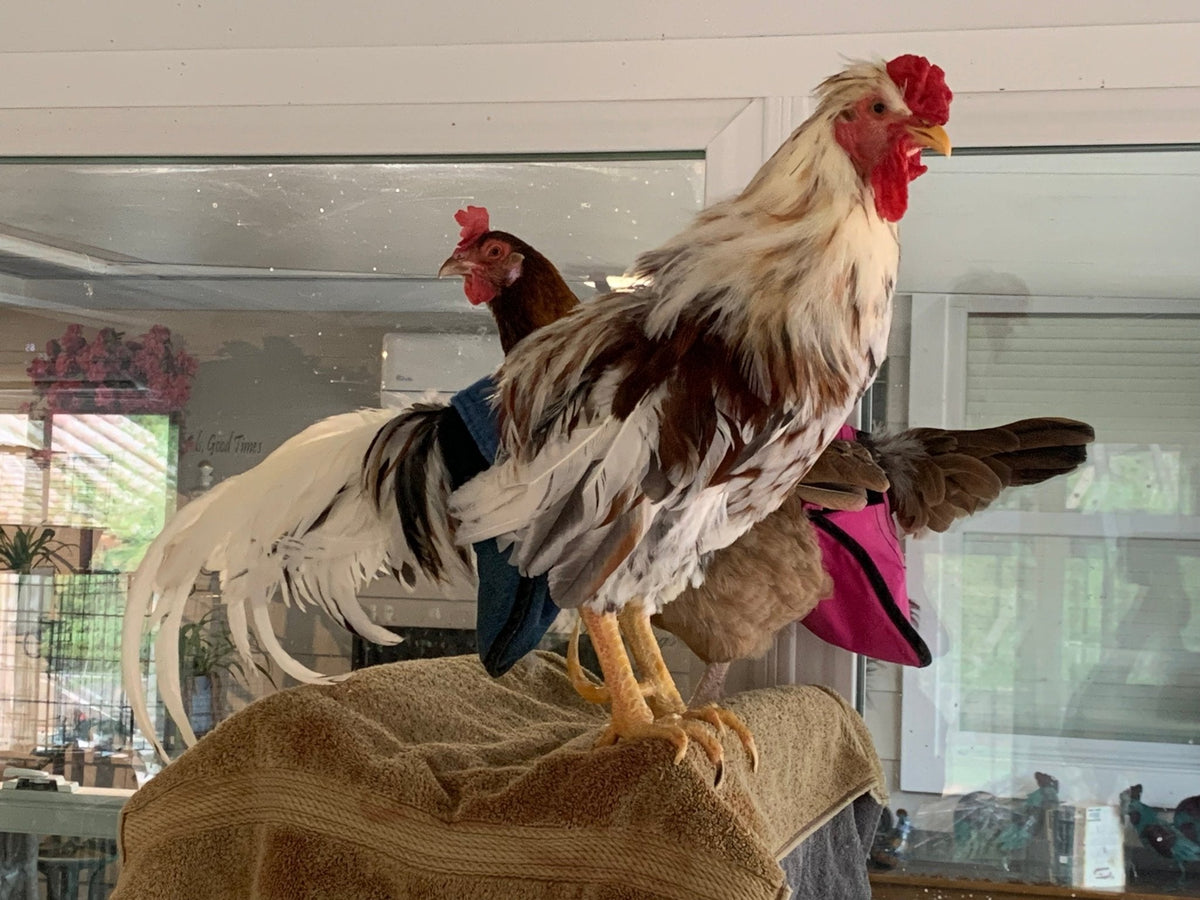
* Vest-style harnesses: Cover more body, distributing pressure. Favored for comfort and security.
* H-style harnesses: Simpler straps around neck/chest. Good for birds disliking full coverage; require precise fitting.
Researching these helps identify the best style for your chicken and purpose, informing your chicken leash choice.
Step 4: Prioritize Material Quality and Durability
Material quality impacts comfort, durability, and cleaning. Look for soft, breathable fabrics (mesh, cotton) to prevent irritation and overheating. Strong buckles and reinforced stitching are paramount for safety, preventing escapes. For outdoor use, consider weather-resistant materials. Ensures a safer, more pleasant experience.
Step 5: Focus on Adjustability and Safety Features
Adjustability is key. The harness must allow a snug, comfortable fit around the neck and chest. Look for multiple adjustable straps for a custom fit. Safety clips or quick-release buckles are beneficial for rapid removal if your chicken gets stressed. Reflective strips enhance low-light safety.
Step 6: Measure Your Chicken Accurately
This step is critical! Never guess size. Use a soft measuring tape to measure your chicken's neck and chest (behind wings). Compare to the manufacturer's sizing chart. A well-fitting harness prevents chafing, escapes, and discomfort. Ensures you pick the best chicken harness for a perfect fit.
Step 7: Read Reviews and Seek Recommendations
Before purchasing, leverage other chicken keepers' experiences. Read online reviews focusing on fit, durability, and ease of use. Ask for recommendations in poultry forums or local groups. Real-world insights provide invaluable information about various chicken harness brands. Helps make an informed choice.
Best Practices and Pro Tips
Prioritize Optimal Fit, Comfort, and Material Quality:
The ultimate success of your chicken harness experience begins with the right choice. Before selecting a style, meticulously measure your chicken’s chest circumference and neck-to-tail length, then consult the manufacturer’s sizing chart – never guess! A well-fitting chicken harness should be snug enough to prevent escape but allow two fingers to comfortably slip underneath, ensuring unrestricted movement and breathing. Beyond fit, opt for harnesses made from lightweight, soft, and breathable fabrics like mesh or soft cotton blends to prevent chafing and overheating. Durability is also key; ensure all buckles, D-rings, and stitching are robust to withstand regular use and washing. Investing in the best chicken harness that prioritizes these aspects will significantly contribute to a positive experience.
Gradual Introduction with Positive Reinforcement:
Never force a chicken into a new harness. Introduce the poultry harness slowly, allowing your bird to inspect it in a calm environment. Then, try putting it on for very short periods (just a minute or two) indoors, consistently offering their favorite high-value treats. This positive association is crucial. Gradually increase the duration each day, always ending on a good note before any signs of stress. This gentle, treat-laden approach is fundamental to this poultry harness guide, helping your chicken become comfortable with their new attire and preparing them for the chicken leash.
Constant Supervision is Non-Negotiable:
Even with the best fitting chicken harness, never leave your chicken unattended while they are wearing it. Your vigilant presence is essential to prevent them from getting tangled in obstacles, snagged, or exposed to predators. This is especially critical when they are still getting accustomed to the harness or exploring new environments.
Pro Tips for a Happy Hiker:
* Treats Are Your Ally: Always have a supply of their favorite treats. Positive reinforcement is paramount for successful harness training.
* Observe Body Language: Pay close attention to your chicken’s cues. If they show signs of distress – freezing, panting, attempting to escape – remove the harness and try again later. Forcing them will only create negative associations.
* Regular Checks: Before each use, inspect the chicken harness for any signs of wear, tears, or damage that could compromise its safety or comfort.
* Practice Indoors First: Allow your chicken to walk around inside with the harness on before venturing outdoors with the chicken leash. This helps them adapt to the feel and sensation.
Common Mistakes to Avoid:
* Ignoring Sizing Charts: The quickest route to an ill-fitting harness that's either uncomfortable or easily escaped.
* Leaving Harnesses On Unsupervised: Never leave a chicken harness on your bird overnight or while you're not present. It poses a significant entanglement and safety risk.
* Using a Collar: Chicken anatomy is not suited for collars; they are ineffective and dangerous. Only use a specifically designed chicken harness.
* Expecting Immediate Compliance: Every chicken is an individual. Some adapt quickly, others require more patience.
* Neglecting Hygiene: Regular cleaning of the harness is vital to prevent skin irritation and maintain cleanliness.
Conclusion
You’ve embarked on a comprehensive journey through the world of chicken harnesses, transforming from a curious poultry owner into an informed decision-maker. We’ve meticulously explored every facet, from the critical importance of material and adjustability to ensuring the perfect, comfortable fit for your feathered friend's safety and well-being. Remember, the concept of the "best chicken harness" isn't a one-size-fits-all solution; it’s a highly personalized choice, dependent on your individual flock members’ unique personalities, your specific needs for a chicken leash, and the engaging activities you plan to enjoy together. Whether your goal is safer supervised free-ranging in unfamiliar environments, enriching their lives with controlled exploration, or simply strengthening that special bond you share, this extensive poultry harness guide has thoroughly equipped you with invaluable insights and practical knowledge.
Now, armed with this ultimate guide, it’s time to confidently put theory into practice. Don't let any lingering uncertainty hold you back from providing new experiences for your birds. Revisit the crucial selection criteria, accurately measure your chickens, and with newfound confidence, select the ideal chicken harness that promises both comfort and security. Introduce the harness to your birds with utmost patience and plenty of positive reinforcement, ensuring it becomes a positive and stress-free experience for them. Imagine the sheer delight of safely strolling with your chicken, the unique conversations it will undoubtedly spark, and the wonderfully enriched life you’ll provide your cherished companions. Your exciting adventure with a chicken harness truly starts now. Embrace the opportunity to deepen your connection with your beloved flock and explore brand new horizons together. Make the informed choice today, and prepare for countless memorable moments and shared joy.