






What Are Scaly Leg Mites? Symptoms, Causes, and Prevention for Your Flock
As a dedicated poultry owner, you pour your heart into ensuring your flock thrives, enjoying vibrant health and joyful foraging. Yet, an insidious, often underestimated adversary can silently undermine their well-being: Scaly Leg Mites. These microscopic parasites, Knemidocoptes mutans, gradually burrow beneath leg scales, causing intense discomfort, lameness, and the characteristic unsightly, crusted appearance of Scaly Leg Symptoms. Left unchecked, these mites not only compromise your chickens' mobility and quality of life but can significantly impact overall Chicken Health.
This comprehensive guide is designed for you, the proactive poultry enthusiast committed to safeguarding your birds. We will equip you with vital knowledge, beginning with how to accurately identify Scaly Leg Mites in their early stages. You'll gain a clear understanding of their lifecycle, demystifying how they cause damage, and critically, learn robust Mite Prevention strategies to protect your flock proactively. From understanding the 'what' and 'why' to implementing effective Poultry Care practices, this guide lays essential groundwork for maintaining mite-free legs and exploring natural treatment solutions. Empower yourself to ensure your chickens' legs remain smooth, strong, and healthy, allowing them to truly thrive.
Key Benefits and Features
This comprehensive guide is designed to equip every chicken keeper with the essential knowledge and practical tools needed to protect their flock from the debilitating effects of scaly leg mites. By delving into the symptoms, causes, and prevention strategies, you'll gain invaluable insights that directly translate into a healthier, happier flock.
* Early Identification of Scaly Leg Symptoms: This guide empowers you to quickly identify the subtle yet distinct signs of an infestation, helping you recognize early Scaly Leg Symptoms before they escalate. By understanding what to look for – from lifted scales and crusty legs to lameness and discomfort – you can intervene promptly. This crucial knowledge is fundamental to maintaining optimal Chicken Health, preventing unnecessary suffering, and avoiding the spread of these troublesome parasites throughout your flock. Prompt recognition means faster treatment and a quicker return to well-being for your birds.
* Understanding Causes and Risk Factors for Scaly Leg Mites: Delve into the underlying reasons why your flock might be susceptible to Scaly Leg Mites. The guide thoroughly explains how these microscopic parasites operate, their life cycle, and common environmental factors that contribute to infestations. By grasping the root causes, you gain invaluable insight into creating a less hospitable environment for mites. This understanding is a cornerstone of proactive Poultry Care, allowing you to implement targeted strategies that address the conditions favoring mite proliferation, thereby safeguarding your birds from future outbreaks.
* Effective Mite Prevention Strategies: Arm yourself with proven techniques for robust Mite Prevention. This section offers practical, actionable advice designed to fortify your flock against Scaly Leg Mites. From maintaining optimal coop hygiene and proper bedding management to introducing natural deterrents and conducting regular inspections, you'll learn how to establish a strong defense. Implementing these strategies is vital for long-term Chicken Health and reduces the necessity for intensive treatments. Proactive Poultry Care through effective prevention is always more efficient and less stressful than managing an existing infestation.
* Comprehensive Treatment and Management: Should an infestation of Scaly Leg Mites occur despite preventative efforts, this guide provides clear, step-by-step instructions for effective treatment. You’ll learn about various safe and humane treatment options, including topical applications, natural remedies, and when veterinary consultation might be necessary. The goal is to equip you with the knowledge to manage and resolve existing infestations, alleviating your birds' discomfort and restoring their leg health. This detailed guidance ensures you can confidently address the problem, promoting rapid recovery and preserving overall Chicken Health.
* Enhanced Long-Term Flock Health and Well-being: Ultimately, by applying the comprehensive knowledge within this guide, you will significantly enhance the overall Chicken Health and well-being of your flock. Understanding Scaly Leg Symptoms, implementing effective Mite Prevention, and knowing how to treat infestations contributes to a healthier, happier environment for your birds. This holistic approach to Poultry Care not only protects against Scaly Leg Mites but also minimizes stress, boosts productivity, and fosters resilience within your flock. Invest in this knowledge to ensure your chickens thrive for years to come.
Step-by-Step Guide
Step 1: Identify Scaly Leg Symptoms Early
The first crucial step in addressing Scaly Leg Mites is vigilant observation. Regularly inspect your flock's legs and feet for the characteristic "Scaly Leg Symptoms." These include raised, crusty, or thickened scales, often appearing rough and irregular, particularly on the unfeathered parts of the legs and toes. You might also notice lameness, discomfort, or the bird pecking at its own legs. Early detection is key to effective treatment and maintaining overall Chicken Health. Don't wait for severe deformation or pain before taking action.
Step 2: Isolate Affected Chickens
Once you've identified a chicken showing "Scaly Leg Symptoms," it's vital to immediately isolate them from the rest of your flock. This prevents the further spread of Scaly Leg Mites to healthy birds and reduces stress on the affected individual during treatment. Place them in a clean, quiet coop or pen with fresh food and water. This isolation period is also important for focused Poultry Care, allowing you to administer treatments without interference.
Step 3: Prepare for Treatment
Before beginning treatment, gather all necessary supplies: a gentle, warm soapy water solution (e.g., dish soap), a soft brush or cloth, petroleum jelly, mineral oil, or a specialized mite treatment ointment, and protective gloves. You'll also need a clean towel. Ensure the area where you'll treat the chicken is calm and well-lit. Having everything at hand minimizes the time the bird is handled and stressed.
Step 4: Administer Treatment to Affected Legs
Gently hold the chicken and use the warm soapy water to thoroughly clean the affected legs and feet. This softens the scales and helps dislodge some of the mites and debris. Pat dry. Next, generously apply petroleum jelly, mineral oil, or your chosen mite treatment to the entire leg, ensuring to work it well under the raised scales. The goal is to smother the Scaly Leg Mites, cutting off their air supply. Reapply daily for at least two weeks, or as directed by product instructions. Patience and consistency are vital for success.
🐔 Shop Chicken Health Essentials 🐔
Trusted by poultry owners worldwide • Handmade in USA • Every purchase supports rescued animals

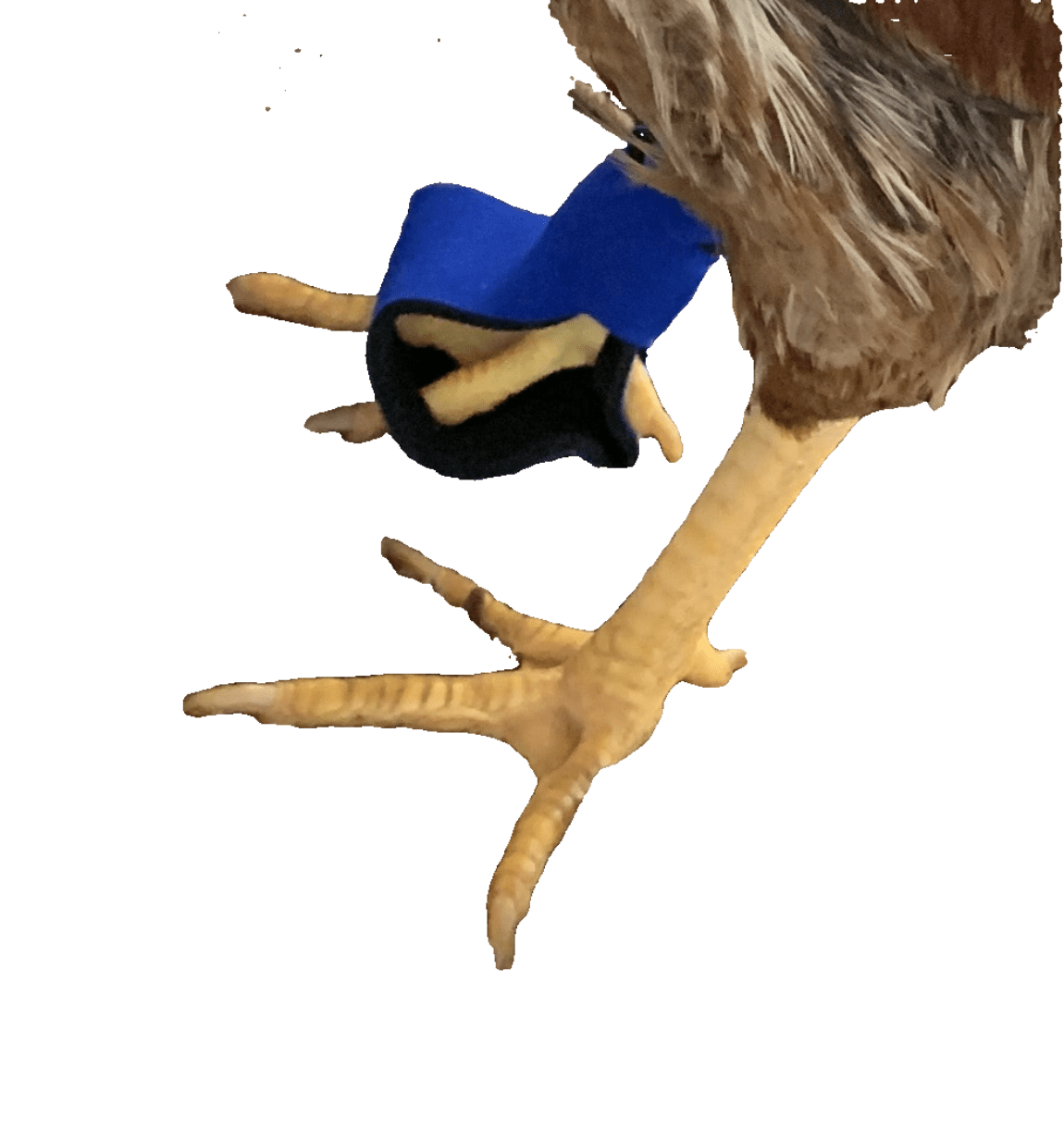
Birdy Bootie for Chickens
Protective treatment bootie for scaly leg mites and bumblefoot. Silver-infused fabric promotes healing and keeps treatments in place during recovery.
From $9.99
Shop Birdy Booties →
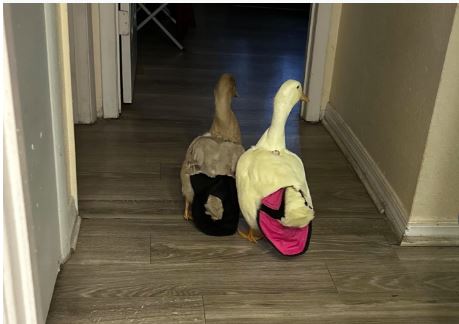
Hen Holster Bird Diaper
Keep your chickens comfortable and your home clean during treatment recovery. Perfect for house chickens with removable washable liners.
From $29.99
Shop Hen Holster →
Complete Chicken Care
Browse our full collection of chicken health solutions, protective gear, and recovery aids handmade in USA for your flock.
Shop Now
Browse All Products →🌟 Why Choose Crazy K Farm for Your Flock? 🌟
🐔 Poultry Experts
Designed specifically for chickens, ducks, and geese. Tested on our own sanctuary birds for comfort and effectiveness.
💚 Mission-Driven
Every purchase supports 200+ rescued animals at our Texas sanctuary, including chickens, ducks, and geese.
Step 5: Sanitize the Coop Thoroughly
While treating the chickens, it's equally important to address the environment. Scaly Leg Mites live in cracks and crevices within the coop. Perform a deep clean: remove all bedding, scrub surfaces with a poultry-safe disinfectant, and consider using diatomaceous earth in dry areas. This comprehensive cleaning is a cornerstone of Mite Prevention and ensures that once treated, your chickens aren't immediately re-infected. Pay special attention to roosts and nesting boxes.
Step 6: Monitor and Prevent Reinfestation
Continue to monitor the treated chicken's legs for signs of improvement and reapply treatment as necessary. The raised scales may take weeks or even months to fall off naturally, revealing new, healthy scales underneath. Regular inspections of your entire flock are crucial for ongoing Mite Prevention. Implement routine Poultry Care practices, such as providing dust baths, maintaining a clean coop, and occasionally applying preventive measures like natural dusts to deter future infestations of Scaly Leg Mites, safeguarding your flock's overall Chicken Health.
Best Practices and Pro Tips
Proactive measures are the cornerstone of effective Scaly Leg Mite prevention and robust Chicken Health. Adopting a vigilant approach to Poultry Care will safeguard your flock from discomfort and persistent issues.
1. Regular Inspections Are Paramount: Conduct weekly inspections, carefully examining shanks and feet. Look for subtle Scaly Leg Symptoms like rough or lifted scales. Early detection is crucial for effective Mite Prevention and simpler treatment.
2. Implement Impeccable Coop Hygiene: This is your strongest defense against Scaly Leg Mites. Deep clean the coop monthly: remove all bedding, scrub surfaces with a poultry-safe disinfectant, focusing on roosts and crevices. Lightly dust with food-grade Diatomaceous Earth (DE) in nest boxes and around roosts, ensuring good ventilation. Frequent bedding replacement also denies mites breeding grounds, essential for Poultry Care.
3. Quarantine New Birds — No Exceptions: A strict 30-day quarantine for all new flock additions is paramount for Mite Prevention. Observe and inspect their legs thoroughly, treating proactively if signs appear before integration. Skipping quarantine is a common mistake leading to rapid parasite spread.
4. Facilitate Natural Dust Baths: Provide a dedicated dust bath area with fine sand, wood ash (untreated), and a small amount of food-grade DE. Dust bathing helps chickens naturally dislodge external parasites, significantly contributing to Mite Prevention and overall Chicken Health.
5. Act Swiftly on Scaly Leg Symptoms: If Scaly Leg Mites are suspected, initiate treatment immediately. A common mistake is to "wait and see," allowing mites to burrow deeper, making treatment more challenging.
6. Correct Treatment Application and Environmental Management: Before topical treatments (e.g., petroleum jelly), soak affected legs in warm, soapy water to soften scales for better penetration. Apply treatments daily for 2-3 weeks consistently; stopping prematurely is a common error. Crucially, simultaneously treat the coop and surrounding areas to break the mite life cycle and prevent re-infestation. Ignoring environmental treatment is a major oversight.
7. Avoid Harsh Chemicals and Over-Treatment: Stick to recommended, gentle methods for Poultry Care. Strong chemicals can harm birds and potentially contaminate eggs. Consult a veterinarian if unsure about the best course of action.
8. Support Overall Chicken Health: A well-fed, healthy chicken with a strong immune system better resists and recovers from parasitic infestations. Ensure your flock has access to a balanced diet, fresh water, and a stress-free environment.
Conclusion
Understanding Scaly Leg Mites is paramount for maintaining robust Chicken Health and ensuring diligent Poultry Care. Throughout this guide, we've uncovered how these microscopic pests burrow under scales, causing the characteristic thickening, lifting, and crusting that define Scaly Leg Symptoms. We’ve explored the common causes, from unsanitary conditions to the introduction of new, unquarantined birds, highlighting that knowledge is the first line of defense. But knowing is only half the battle; effective Mite Prevention is where true flock protection lies.
Now, armed with comprehensive insights into identification, treatment, and proactive strategies, it's time to translate knowledge into action. Don't wait for your birds to exhibit severe Scaly Leg Symptoms before intervening. Make routine leg inspections a non-negotiable part of your Poultry Care regimen. Implement rigorous coop hygiene, ensuring bedding is clean and dry, and consider dust baths with diatomaceous earth. Always quarantine new additions to your flock to prevent potential infestations. Your proactive vigilance is the most powerful tool against these debilitating parasites. Embrace these preventative measures not just as tasks, but as an investment in the comfort, vitality, and long-term Chicken Health of your beloved flock. Take control today, safeguard their future, and ensure a happy, healthy life for every bird under your care.