How to Keep Your Indoor Pet Chicken Healthy and Happy
### Expert Advice for Keeping Your Indoor Pet Chicken Healthy and Happy
Having an indoor pet chicken can be a wonderfully rewarding experience. These delightful creatures not only bring joy and companionship, but they can also thrive in a nurturing environment with the right care. However, keeping a chicken indoors presents unique challenges that pet owners must address to ensure their feathered friends remain healthy and happy. Here are some key considerations to enhance the well-being of your indoor pet chicken.
#### Provide a Nutritionally Balanced Diet
A balanced diet is essential for the health of your chicken. Unlike their free-ranging counterparts, indoor chickens rely on their owners for all their nutritional needs and if not fed properly are prone to getting overweight. High-quality poultry feed should form the foundation of their diet, complemented by fresh fruits and vegetables. Be sure to include:
- Leafy greens such as kale and spinach
- Fruits like apples and berries (avoid seeds)
- Grain-based treats, but only in moderation
Regularly monitor their food intake and watch for signs of obesity, a common issue in chickens that are less active due to indoor living. Over time, an unbalanced diet can lead to serious health issues, including fatty liver disease and reduced lifespan.
#### Monitor and Maintain Healthy Nails and Beaks
Indoor living can lead to overgrowing nails and beaks in chickens. Without the natural wear that occurs when they roam outdoors, these vital parts can become long and uncomfortable. This results in not only discomfort but can also limit their ability to eat and interact with their environment. To keep their nails and beaks in optimal condition:
- Regularly check their nails and beak for signs of overgrowth.
- Use a nail trimmer designed for birds to gently clip their nails as required, ensuring you don’t cut too close to the quick.
#### Encouraging Physical Activity to Prevent Obesity
Chickens, like all pets, require regular exercise to maintain their health. Indoor chickens may become lethargic without sufficient stimulation or exercise opportunities, which can lead to obesity. To keep your pet active and comfortable, consider walking your chicken outdoors and letting them roam free when indoors.
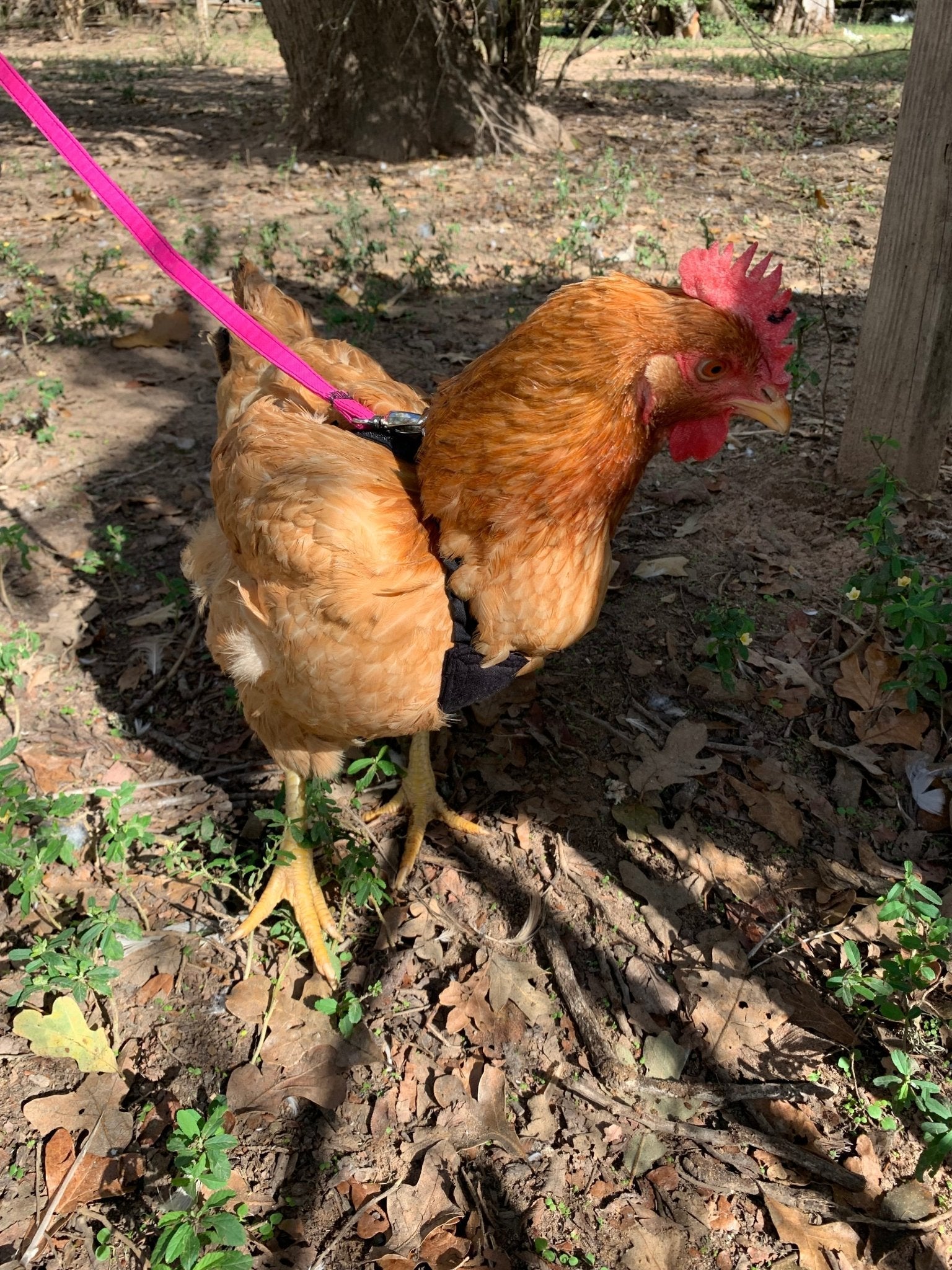
One effective tool for enabling outdoor exercise is the Hen Saver chicken harness. This harness allows you to take your chicken outdoors safely, providing them with the opportunity to explore while remaining secure. It is ideal for owners who want their chickens to enjoy fresh air and natural sunlight, crucial for their well-being. Additionally, for indoor activity, the Hen Holster diaper harness with removable liner is an excellent choice. This harness, as well as the Hen Holster with sewn-in liner allows chickens to move freely indoors without the worry of mess, encouraging them to engage more fully with their environment. The Holster makes it easy for your chicken to be active while allowing you to maintain a clean space.
Taking your indoor chicken outdoors safely
For supervised outdoor time, the Hen Saver Walking Harness allows safe leash walking:
How to Put on the Hen Holster - Video Tutorials
Watch our step-by-step video guides to ensure perfect fit and flawless function:
Pull straps over bird's head, thread pouch between legs and then pull pouch up over the vent so that the notch is below the tail and above the vent. Be sure to angle the pouch away from your bird to funnel the droppings into the pouch and away from your bird. Wrap the left and right sides of pouch (loop side) fully around tail, overlapping the sides for a snug fit so that the pouch does not drop beneath the vent. Fasten tab with hook side against the loop side. The diaper CANNOT drop below the vent if it is put on and fastened correctly. If your bird is able to poo over the diaper pouch, it has not been put on correctly (not wrapped snuggly enough or was fastened too loosely). Take it off and try again until you are certain that the pouch is snuggly fastened against your bird, with the notch above the vent.
#### Mental Stimulation
Just as Important Outdoor chickens naturally engage in mentally stimulating activities like foraging and dust bathing. To replicate this at home, introduce a variety of toys and stimuli:
- Use puzzle feeders that challenge your chicken to solve problems to access food.
- Offer different textures and materials, such as shredded paper or straw, for them to explore.
- Rotate toys regularly to keep their environment fresh and engaging.
#### Health Checks and Veterinary Care
Regular health checks are essential for your indoor chicken. Be observant for any signs of distress or illness, including changes in eating habits, behavior, or physical appearance. A veterinary check-up should be part of your chicken’s routine care, especially if you notice any unusual signs. This proactive approach helps catch and treat potential issues early, ensuring your chicken remains healthy.
#### Conclusion
Caring for an indoor pet chicken requires a commitment to their unique needs. Providing a balanced diet, encouraging physical activity, maintaining their nails and beak, and offering mental stimulation are all crucial for a happy and healthy chicken. With proper care, your indoor chicken can thrive, bringing endless joy to your home while maintaining their well-being.
🦆 Shop Hen Holster® Bird Diapers 🐓
The ultimate solution for indoor chickens & ducks • Veterinarian-Approved • Made in USA
Removable Liner Model
Features a removable vinyl liner for easy cleaning. The most versatile option for indoor birds.
Let your birds roam the house worry-free! Catches droppings comfortably to keep your floors clean.
💚 Comfortable Fit
Designed to sit naturally on the bird without restricting movement. Adjustable for the perfect fit.
Conclusion
Throughout this ultimate guide, we’ve thoroughly explored the transformative power of the chicken diaper. From understanding their design and benefits to selecting the perfect fit and maintaining optimal chicken hygiene, you are now equipped with all the knowledge needed to integrate these innovative accessories into your flock management. We've seen how these simple garments are not just a quirky novelty, but a practical, effective solution for maintaining cleanliness, especially for poultry enthusiasts who cherish indoor time with their feathered companions.
The key takeaway is clear: a chicken diaper is a game-changer. It eliminates the mess, reduces stress for both owner and bird, and allows for unprecedented freedom in how you interact with your chicken. You no longer need to compromise between a spotless home and the joy of having your hens roam inside. The era of constant clean-up and restricted indoor access is over, replaced by a new standard of effortless chicken hygiene.
Now, it’s time to take action. Don't let hesitation hold you back from experiencing these incredible benefits firsthand. Embrace the future of poultry care and enhance your bond with your hens while safeguarding your home. Visit a reputable supplier, choose the right chicken diaper for your flock, and implement these strategies today. Your chickens will relish the extra companionship, and your pristine floors will be a testament to your commitment to superior chicken hygiene. Make the change – your hens (and your vacuum cleaner) will thank you!
Products for Indoor Chicken Care
Chicken owners need these backyard chicken supplies:
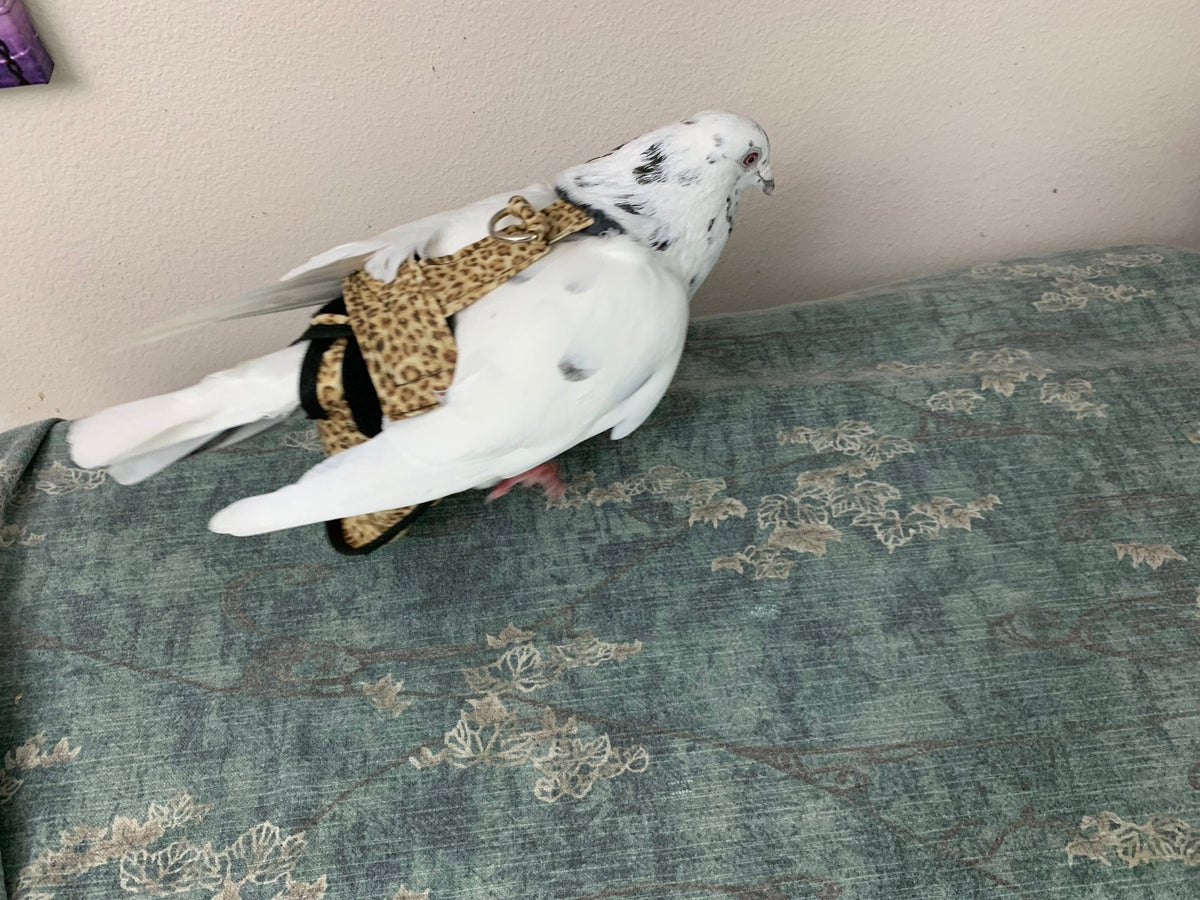
Have you ever considered having a pigeon as a pet? Pigeons can actually make wonderful indoor companions, bringing joy and entertainment to your home. But how can you ensure a clean and comfortable...
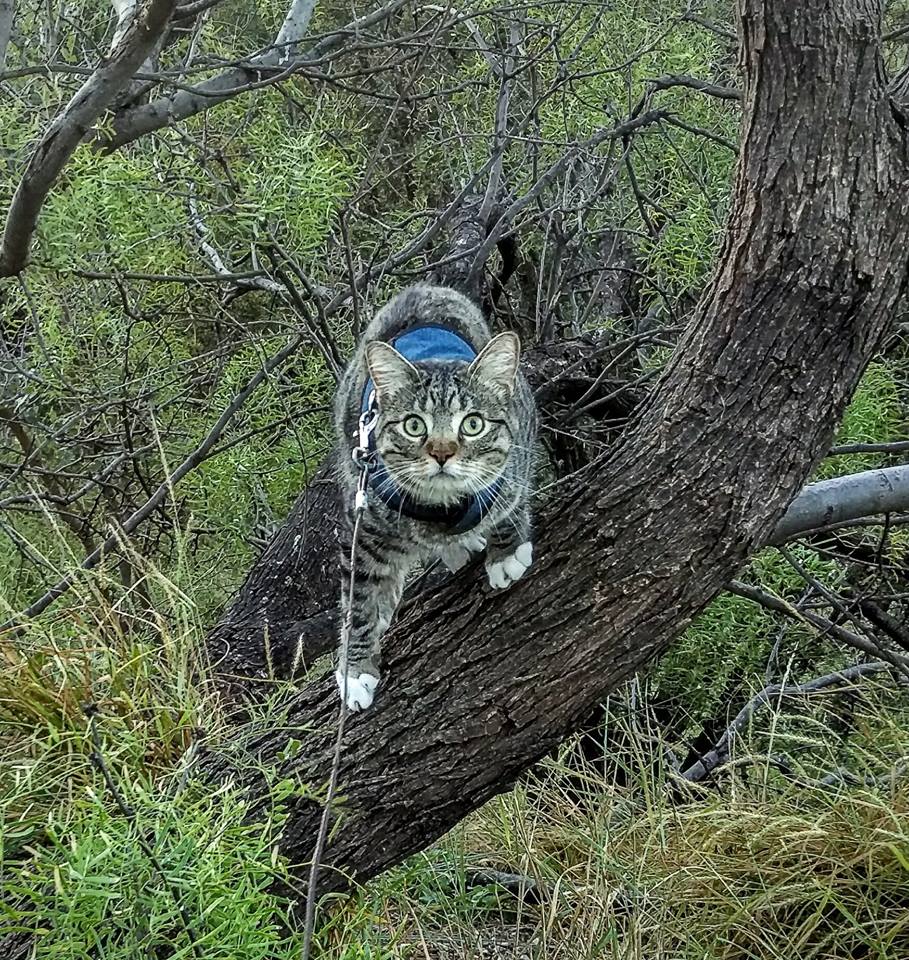
As a proud cat owner, you may often find yourself marveling at the complexities of your feline friend’s behavior. Cats are unique creatures, exhibiting a variety of behaviors that can sometimes be ...
How to Keep Your Indoor Pet Chicken Healthy and Happy
Mission-Driven, Customer-Loved
🏆 4.9★ Average Rating - Trusted by 5000+ Happy Customers 🤝 Verified 501(c)(3) Partner - Every purchase supports animal rescue 🇺🇸 Family-Owned & Handmade - Quality products with a purpose 🐾 Real Impact - Helping rescue, rehabilitate, and rehome animals in need